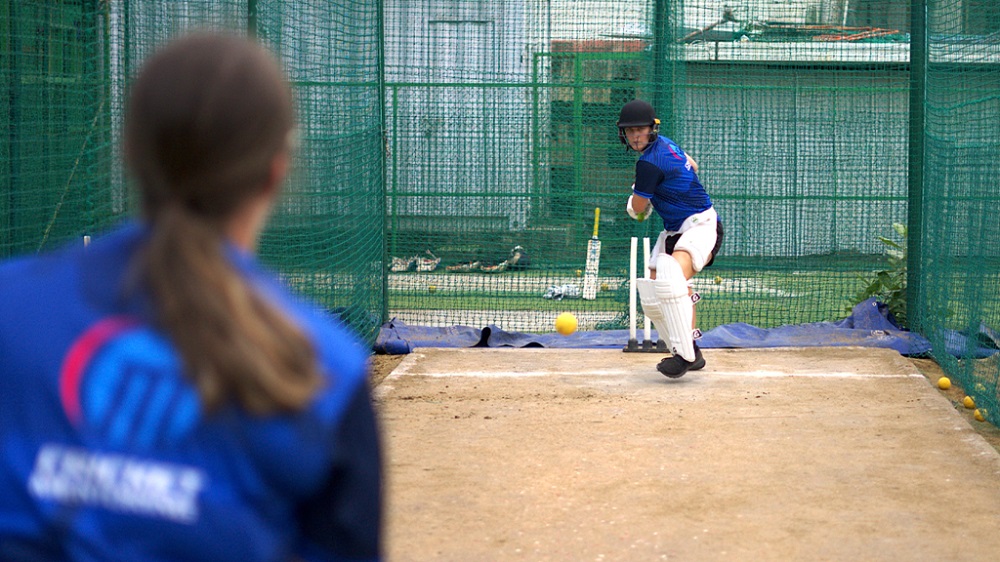
Cricket is a sport characterized by a profound contrast between individual execution and collective success. While a bowler stands alone at the top of their run-up and a batter faces a delivery completely isolated from their teammates, the outcome of the match rests entirely on a team’s collective synergy. Unlike sports governed by continuous, frantic motion, cricket unfolds through structured segments, creating windows of intense pressure and strategic calculation.
Playing cricket requires a unique blend of psychological resilience, strategic vision, and interpersonal synchronization. Engaging deeply with this sport shapes a person’s character, cultivating attributes that seamlessly translate into professional environments and daily life. By analyzing the structural mechanics of the game, we can see exactly how cricket serves as an elite training ground for leadership, teamwork, and mental toughness.
The Masterclass in Adaptive Leadership
Leadership in cricket is significantly more complex than in many other athletic disciplines. The captain of a cricket team operates much like an active manager on a battlefield, making real-time adjustments that directly dictate the flow of the game.
Strategic Field Placement and Resource Allocation
A cricket captain cannot rely on a coach to call plays from the sidelines during active play. The captain must constantly read the pitch conditions, analyze the batter’s technical weaknesses, and adjust the field layout accordingly. Moving a fielder just a few feet to the left or right can be the exact difference between a caught ball and a boundary.
This environment teaches leaders to observe micro-trends and make data-driven adjustments under pressure. Furthermore, managing a bowling lineup requires exceptional resource allocation. A leader must decide when to deploy their fastest bowlers to attack, when to utilize spin to restrict runs, and how to manage the physical exhaustion of their players across long hours or multiple days of competition.
Managing High-Stakes Personalities and Motivations
Every cricket team consists of individuals with highly diverse roles, ranging from aggressive opening batters to methodical spin bowlers. A captain must understand the psychological profiles of each teammate to get the best out of them.
-
Supporting struggling players: When a bowler is conceding too many runs, a true leader steps in to offer tactical adjustments and structural reassurance, preventing a emotional collapse.
-
Balancing aggression and patience: A captain must know when to encourage an aggressive batter to stay disciplined and when to give them the freedom to take calculated risks for the team’s benefit.
Interpersonal Synchronization and Teamwork
Although individual statistics like centuries and five-wicket hauls are celebrated, cricket is fundamentally impossible to win without seamless teamwork. The game forces players to subordinate their personal egos for the greater collective good.
The Dynamics of Batting Partnerships
When two batters are out on the pitch, they operate in complete isolation from the rest of the squad. Their survival depends entirely on mutual trust and non-verbal communication. Running between the wickets requires split-second decision-making. A simple misunderstanding, a delayed call, or a lack of trust results in a catastrophic run-out turnover.
Batting partnerships teach individuals how to complement each other’s strengths and cover each other’s technical gaps. If one batter is struggling to score against a specific type of bowler, the partner will intentionally take the strike to protect them and keep the scoreboard moving. This dynamic builds a deep sense of shared responsibility and collective pride.
The Interdependent Relationship Between Bowler and Fielder
A bowler can execute a flawless delivery, but without the active support of the fielders, their effort goes entirely unrewarded. Every player on the field must remain intensely focused for hours, even when the ball rarely comes their way.
-
Maintaining absolute vigilance: A fielder standing at first slip must stay completely alert for dozens of overs just to catch the single edge that comes their way.
-
Defensive backing: Fielders must sprint to back up throws at the wickets, preventing unnecessary overthrow runs even if they were not directly involved in the initial play.
-
Creating a supportive ecosystem: When a fielder drops a catch, the rest of the unit must rally around them immediately rather than assigning blame, preserving team morale for the next play.
The Crucible of Mental Toughness
Perhaps the most defining characteristic of cricket is the sheer volume of time players spend dealing with adversity and pressure. The sport is designed to test an individual’s psychological limits.
Overcoming Isolation and Instant Defeat
In cricket, a batter gets exactly one chance. A slight lapse in concentration, a brilliant delivery, or a millimeter of miscalculation, and the batter is dismissed instantly. There are no substitutions, no immediate second chances, and no way to undo the error. The walk back to the pavilion can be incredibly isolating and emotionally crushing.
Processing that level of finality requires immense mental resilience. Players must learn to flush the disappointment of a cheap dismissal immediately so they can support their team in the field later. This teaches individuals to decouple their self-worth from immediate results and focus on long-term growth and consistency.
Sustaining Long-Form Focus and Delayed Gratification
Whether playing a single-day match or a traditional multi-day test match, cricket demands sustained cognitive focus over massive durations. Unlike sports that end in ninety minutes, cricket requires players to manage their mental energy across several hours.
A bowler might bowl twenty overs without securing a single wicket, requiring them to maintain their discipline, accuracy, and intensity without receiving immediate validation. This structural reality builds a massive capacity for delayed gratification. It trains the mind to embrace the grind, understand that breakthroughs take time, and maintain peak performance levels when fatigue sets in.
Frequently Asked Questions
How does cricket help introverted individuals develop leadership skills?
Cricket provides a structured environment where leadership is expressed through technical execution and quiet strategy rather than loud speeches. An introverted captain can lead by setting precise field placements, displaying tactical discipline, and holding private, analytical conversations with individual bowlers. The game proves that calm analytical observation is just as powerful as vocal authority.
In what ways does the wicketkeeper serve as a secondary leader on the field?
The wicketkeeper possesses the absolute best view of the entire pitch, standing directly behind the batter. They can see the exact trajectory of the ball, how much the pitch is spinning or swinging, and where fielders are misaligned. Because of this unique vantage point, the wicketkeeper constantly communicates adjustments to the captain and provides vital technical feedback to the bowler.
How do modern short-form formats like T20 affect mental toughness compared to traditional matches?
Short-form formats change the psychological pressure from endurance to rapid adaptability. In a short match, a single bad over can completely ruin a team’s chances of winning. This environment requires players to make high-risk decisions instantly, recover from mistakes within seconds, and maintain total emotional composure while playing at an incredibly rapid, chaotic pace.
What can corporate teams learn from the concept of a cricket batting partnership?
Corporate teams can learn the value of dual project ownership and dynamic support systems. Just like two batters, corporate partners must communicate clearly, trust each other’s judgment implicitly when executing quick decisions, and be willing to take on a heavier workload if their partner is facing an operational bottleneck or a highly difficult challenge.
How do players maintain mental focus during long rain delays or match interruptions?
Rain delays test emotional discipline because they break a team’s active momentum and create prolonged periods of uncertainty. Elite players handle these interruptions by mentally stepping entirely away from the game during the break to conserve cognitive energy. They utilize visualization techniques to quickly ramp their focus back up once officials announce the resumption of play.
How does cricket train a person to handle public criticism and high-pressure scrutiny?
Because cricket is heavily analyzed through micro-statistics and historical data, every error is magnified publicly. Players learn to build mental toughness by tuning out external noise, focusing strictly on the technical process within their control, and relying heavily on the internal support system of their team environment to maintain perspective through slumps.