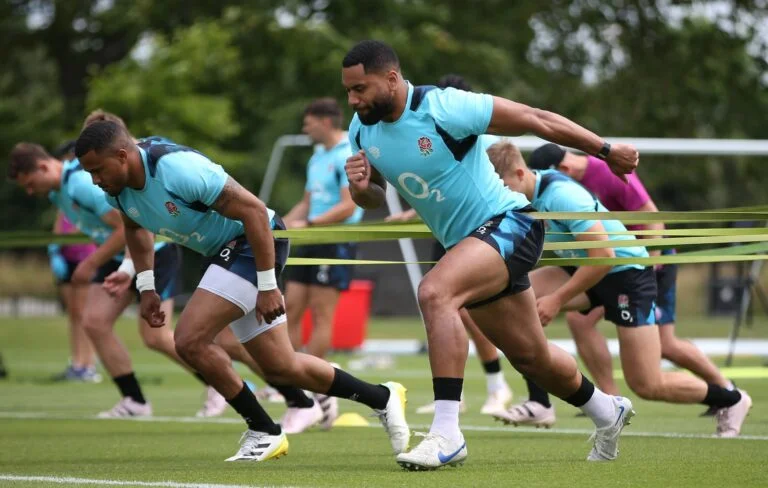
Sports have long been recognized as a primary vehicle for physical and psychological development, yet few athletic disciplines demand as comprehensive a commitment from the human body and mind as rugby. Originating as a game of raw endurance, modern rugby union and rugby league have evolved into sophisticated sports requiring elite physical attributes, strategic intelligence, and unwavering psychological control. The game is played at a furious pace, punctuated by high-impact collisions and complex tactical shifts that unfold over eighty grueling minutes.
Engaging with rugby exposes an athlete to a unique crucible of physical and mental challenges. The structural environment of the sport transforms casual players into resilient, disciplined, and community-minded individuals. By exploring the specific mechanics, rules, and cultural traditions of rugby, we can see exactly how the sport serves as a premier training ground for building functional strength, absolute personal discipline, and elite team cohesion.
The Cultivation of Functional Strength and Power
Rugby requires a highly specific form of physical conditioning that prioritizes functional athletic utility over mere aesthetic muscle volume. An effective player must possess the explosive power to sprint past defenders, the structural density to withstand heavy impacts, and the muscular endurance to wrestle for possession over extended durations.
Total Body Hypertrophy and Core Stabilization
The physical architecture of a rugby player is built from the ground up through comprehensive resistance training and kinetic chain integration. Every phase of play, from running an offensive line to executing a defensive tackle, relies on the efficient transfer of energy from the feet through the torso.
To withstand the physical toll of the sport, players focus heavily on compound movements such as squats, deadlifts, and overhead presses. These exercises develop the posterior chain muscles, including the glutes, hamstrings, and lower back, which provide the explosive driving force needed to advance the ball against physical resistance. Furthermore, the constant wrestling for optimal position develops deep core stabilization musculature, protecting the spine and reducing the risk of acute injury during multi-player collisions.
The Biomechanics of Scrummage and Tackling Power
The set pieces in rugby, particularly the scrum, represent a unique physical environment where opposing forward packs pack tightly together and push directly against one another. The sheer compressive force encountered in a scrum requires exceptional neck, shoulder, and upper back strength.
-
Isometric endurance: Players must maintain a rigid, neutral spine position while generating thousands of pounds of forward force, requiring elite muscular endurance.
-
Deceleration mechanics: Defensive tackling requires an athlete to sprint toward an opponent, absorb a high-velocity impact, wrap their arms around the runner, and drive through their legs to bring the target safely to the ground. This process conditions the body to absorb and redistribute external forces smoothly.
The Framework of Absolute Personal and Tactical Discipline
Because rugby is a game involving heavy physical contact, the margin for error regarding player safety and behavioral conduct is incredibly narrow. The sport has developed a rigid, non-negotiable culture of discipline that is deeply enforced by match officials and team traditions.
Compliance with Strict Safety Regulations
The laws governing rugby are intentionally designed to protect players from catastrophic physical trauma while preserving the competitive nature of the contest. Players must learn to maintain absolute emotional control even when their heart rates are near maximum capacity and physical fatigue has set in.
For instance, tackles must strictly occur below the line of the shoulder, and a defender must actively attempt to wrap their arms around the ball carrier rather than simply throwing their body forward as a projectile. Executing these techniques perfectly under extreme pressure requires intense mental discipline. A single moment of lazy execution or lost emotional control can result in a yellow card penalty, forcing the team to play down a member for ten minutes, or a red card ejection that permanently cripples the squad’s chances of winning.
Direct Respect for Judicial Authority
Rugby possesses an exceptional tradition regarding the relationship between competitors and the match referee. Unlike many commercial sports where players routinely berate officials, rugby permits only the designated team captains to speak directly to the referee.
-
Vocal restraint: Individual players must accept every decision silently and immediately retreat ten meters upon a penalty whistle without showing visible frustration.
-
Encouraging sportsmanship: This forced respect for authority teaches young athletes to accept adversity calmly, adjust their strategies to match the interpretation of the rules, and understand that emotional outbursts yield negative operational outcomes.
Interdependent Synchronization and Group Teamwork
The structural layout of a rugby match makes individual isolation completely fatal to success. A single superstar player cannot dominate a game if the remaining members of the roster fail to fulfill their synchronized duties.
The Specialized Distribution of Tactical Labor
A rugby team is divided into two distinct groups, the forwards and the backs, each requiring completely different physical profiles and skill sets. The forwards are typically larger, denser athletes tasked with fighting for possession in the scrums, lineouts, and rucks. The backs are lighter, faster sprinters engineered to exploit the open spaces created by the labor of the forwards.
This stark division of labor creates a profound sense of mutual respect and appreciation across the roster. The fast wide players recognize that they will never receive the ball unless the forward pack spends twenty minutes taking heavy hits in the muddy interior channels. Conversely, the forwards understand that their exhausting physical labor is only validated if the backs execute precise passing sequences to score points. This interdependence removes internal jealousy and fosters a unified group identity.
Collective Defense and Off-the-Ball Labor
When a player is tackled in rugby, the game does not stop. A mini-contest called a ruck instantly forms over the ball. Teammates must sprint over to clear out defenders and secure the possession boundary.
-
Support running: An offensive player must always run with support staff trailing close behind them, ready to receive a lateral or backward pass before the tackle is fully completed.
-
Defensive alignment: On defense, players must continuously communicate to shift their defensive line laterally, closing gaps and ensuring that no single defender is left isolated against multiple attackers. This continuous off-the-ball effort teaches individuals to work tirelesly for the benefit of the person standing next to them.
Frequently Asked Questions
What is the primary difference between a ruck and a maul in rugby?
A ruck forms when a ball carrier is brought down to the ground and players from both teams clash over the ball on the floor to establish possession using their feet. A maul occurs when the ball carrier is held up by an opponent but remains on their feet, and teammates from both sides bind onto the struggle, creating a rolling mass of players moving down the field.
How do rugby conditioning programs develop cardiovascular endurance without sacrificing muscle mass?
Rugby strength coaches utilize high-intensity interval training that mimics the exact movement patterns of a real match. Instead of long, slow distance running which can cause muscle wasting, players engage in repeated sprint sequences interspersed with heavy sled pushes and wrestling drills, training the body to recover rapidly from anaerobic exertion while maintaining structural strength.
Why is the ball passed strictly backward or laterally in rugby?
The rule forcing players to pass backward is the fundamental tactical engine of the sport. It ensures that the attacking team must physically advance past the defensive line through spatial manipulation, speed, or raw power rather than simply throwing the ball deep downfield over the heads of the defenders.
How does playing rugby help an individual develop professional leadership skills?
Rugby highlights the importance of split-second communication and composure under extreme physical duress. Captains and positional leaders must read complex defensive structures, adjust team tactics on the fly, and motivate exhausted peers without relying on emotional screaming, building a calm, authoritative style highly useful in corporate management.
What protective gear are rugby players legally allowed to wear during a match?
Unlike American football, rugby players wear minimal protective equipment. Players are permitted to wear a soft, padded foam headgear designed primarily to prevent lacerations and cauliflower ear, a dental mouthguard, and thin foam shoulder pads worn underneath the jersey to soften minor impacts. Heavy plastic plates or hard helmets are completely prohibited.
How do teams manage the physical recovery process after a high-impact match?
Physical recovery is highly structured and begins the moment the match ends. Teams utilize ice baths to reduce systemic muscle inflammation, engage in light active recovery swimming sessions the following morning to flush metabolic waste, and monitor nutritional intake to rebuild damaged muscle tissue before returning to heavy weight training mid-week.