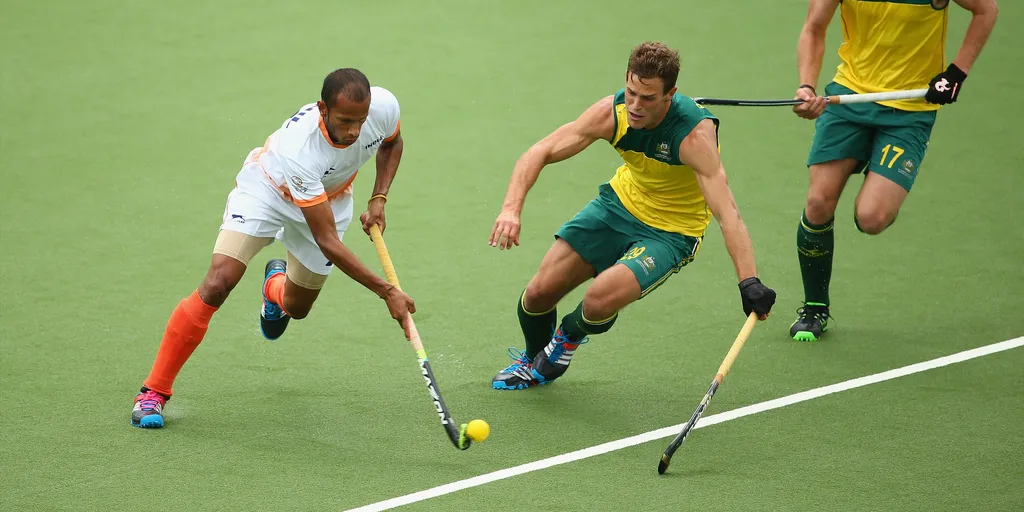
Hockey, a sport that thrives in the coldest corners of the world, is as much about raw speed and power as it is about finesse and strategy. Whether played on ice or grass, the game combines elements of precision, athleticism, and intense physicality, all set within a competitive framework that has drawn millions of passionate fans. While hockey’s roots can be traced back to various cultures, the modern form of the game—especially ice hockey—has evolved into a thrilling spectacle, captivating spectators in countries from Canada to Russia, Sweden to the United States.
As with many team sports, hockey brings out a unique sense of camaraderie among players and fans alike. But beyond the flashing skates and powerful slapshots lies a game steeped in history, tradition, and a sense of relentless pursuit—of the puck, of victory, and of the dreams that carry the hopes of entire nations.
The Evolution of Hockey: A Game Born of Tradition
Hockey’s journey from rudimentary origins to the organized, high-paced spectacle we witness today is a fascinating one. Though its roots stretch back to ancient civilizations, the modern version of the sport began to emerge in the 19th century. The first formal game of ice hockey is credited to have been played in Canada in the mid-1800s. Early versions of the game were heavily influenced by field hockey and the English game of “shinty,” a form of hockey played on grass, which itself was a popular pastime in Europe.
The creation of formal rules in 1875 by a group of Canadian students at McGill University in Montreal marked the beginning of modern ice hockey. As the game’s popularity grew, it quickly spread beyond Canada’s borders, with the United States, Sweden, Finland, and Russia emerging as hockey powerhouses. The first professional leagues were formed in the early 20th century, culminating in the establishment of the National Hockey League (NHL) in 1917, a league that would go on to shape the global identity of the sport.
Ice hockey’s fast pace, combined with the intensity of its physical play, soon captured the imagination of millions. International competitions such as the Winter Olympics and the World Cup of Hockey further fueled the sport’s global appeal, while iconic players like Wayne Gretzky, Bobby Orr, and more recently, Sidney Crosby, became household names. Today, the NHL stands as the premier professional league, attracting top-tier talent from around the world and serving as the center of the sport’s development and global reach.
The Dynamics of the Game: Speed, Strategy, and Skill
At its core, hockey is a battle of wits and strength, a sport that demands intense focus and sharp decision-making in the blink of an eye. It is a game played on ice, where two teams of six players each, equipped with skates and sticks, compete to score goals by shooting a rubber puck into the opponent’s net. The speed of the game is its most defining characteristic, as players skate at astonishing speeds, navigating the rink and engaging in fast-paced puck battles.
The Physical and Mental Demands:
Hockey is often considered one of the most physically demanding sports in the world, and for good reason. Players must possess a unique combination of strength, agility, and endurance. The ability to skate at high speeds while controlling the puck, executing precise passes, and avoiding or engaging in body checks is an exceptional skill set that takes years of practice to perfect.
At the same time, hockey is a game of strategy. Coaches must make split-second decisions on line changes, matchups, and power plays, all while keeping a close eye on the momentum of the game. The strategy in hockey isn’t just about scoring goals; it’s about controlling the flow of the game—dominating possession, breaking the opponent’s defense, and exploiting weaknesses while maintaining strong defense. The shift from offensive to defensive play, from rushing the puck into the opponent’s zone to quickly retreating to protect one’s own net, is an aspect of the game that requires immense teamwork and awareness.
Positioning and Roles:
Hockey players are divided into three main roles—forwards, defensemen, and the goaltender—each with distinct responsibilities. The forwards are primarily tasked with scoring and creating offensive opportunities, utilizing their speed and stickhandling to navigate through the opposition’s defense. The defensemen, on the other hand, protect their goal and try to disrupt the opponent’s offensive flow, often engaging in physical battles along the boards to win the puck. The goaltender is the last line of defense, standing between the opposing team and the goal. The mental fortitude and reflexes required of a goaltender cannot be overstated, as they must react to rapid shots coming from all angles, often under immense pressure.
One of the key elements in hockey is teamwork—while the game demands individual brilliance, no player can succeed in isolation. Successful teams, both at the professional and amateur levels, are those that have chemistry between their players, where communication on the ice is fluid and instinctual. Whether it’s a forward sending a perfectly timed pass to a winger for a one-timer shot or a defenseman making a crucial block, hockey’s fluidity and interdependence make it a team sport at its core.
The Thrills and Intensity: A Game Like No Other
While the physical and technical aspects of hockey are captivating, what truly sets the sport apart is the sheer intensity and emotion it evokes. A hockey game is fast, unpredictable, and thrilling, with momentum swinging dramatically from one team to the other in a matter of seconds. It’s a game that is often described as “never over until the final buzzer,” as the possibility of a game-winning goal always looms, especially in the dying seconds of a tied match.
The playoff atmosphere in the NHL, where games are often decided by overtime or penalty shootouts, takes this intensity to another level. Fans are on the edge of their seats, watching their team fight through every inch of ice for the right to move to the next round. The Stanley Cup Finals, which represent the culmination of the season, are a spectacle of drama, physicality, and heart-stopping moments. The energy in the arena is electric, and the elation of winning the Stanley Cup is the pinnacle of hockey achievement.
Off the ice, hockey has a cultural significance that extends beyond the game itself. It is a social experience, a place where communities gather to support their local teams, share in the highs and lows, and create lasting bonds. In Canada, the national sport, hockey represents an integral part of the country’s identity, influencing everything from politics to national pride. Similarly, in the United States, hockey has become an integral part of the sporting fabric, particularly in cities such as Boston, Detroit, and Chicago, where the NHL is woven into the very culture of the community.
Global Influence and the Future of Hockey
Hockey’s global impact cannot be overstated. Countries like Sweden, Finland, Russia, and the Czech Republic have long been powerhouses in the sport, contributing legendary players to the NHL and international competitions. More recently, nations like Switzerland and Slovakia have seen a rise in talent, while non-traditional hockey nations such as Japan, South Korea, and China are beginning to develop strong programs. The sport’s appeal is growing, and the increasing visibility of international tournaments has spurred its expansion into new markets.
The NHL’s international initiatives, such as the Global Series, which brings games to cities like London and Stockholm, are helping to cultivate a global fan base. Additionally, the rise of women’s hockey, highlighted by the success of the U.S. and Canadian national women’s teams, is drawing more attention to the sport and ensuring its growth for future generations.
Technological advancements in broadcasting, analytics, and equipment continue to enhance the experience for both players and fans. Enhanced viewing experiences, such as virtual reality broadcasts and the use of player tracking technology, are ushering in a new era of fan engagement, making hockey more accessible and immersive than ever before.
Conclusion: The Heart of Hockey
At its core, hockey is a celebration of human athleticism, teamwork, and passion. It is a sport that thrives on intensity, where players push their bodies and minds to the limit, competing at the highest levels of competition. The history of the game, filled with legends and unforgettable moments, continues to inspire new generations of athletes and fans alike. From the rink to the stands, from the amateurs to the professionals, hockey represents more than just a game—it is a way of life, a culture, and an expression of the relentless pursuit of excellence.
The sport’s future seems destined to be just as exciting as its past, with new players emerging, new markets expanding, and the tradition of fierce competition continuing to inspire passion across the globe. For hockey fans, it remains an enduring symbol of the power of sport to unite, to thrill, and to inspire. Whether skating at breakneck speeds on the ice or cheering from the stands, the heartbeat of hockey resonates through every pulse of the game.