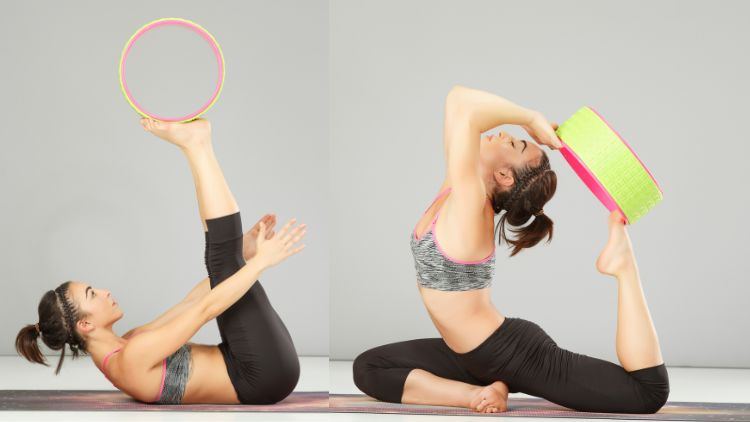
Athletes often focus on strength, speed, endurance and sport-specific skills, but mobility and recovery are just as important for long-term performance. A yoga wheel can support athletes by helping them explore backbends, chest opening, spinal awareness and controlled mobility drills. When used properly, it becomes a useful tool for balancing intense training. Sports place repetitive demands on the body. Runners may develop tight hips and calves. Cyclists may experience rounded posture. Swimmers may need shoulder care. Strength athletes may carry tension through the back and chest. Wheel-based drills can help athletes address some of these patterns with support and control.
Why mobility matters for athletes
Mobility is not only about stretching deeply. It is about having usable range of motion with stability. Athletes need mobility to move efficiently, reduce compensation and maintain technique. Poor mobility can affect performance and increase strain in other areas. The yoga wheel can support mobility by giving athletes a curved surface for spinal extension and chest opening. It can also assist with supported stretches that feel different from standard floor work. However, mobility should always be approached intelligently. Athletes should avoid forcing range, especially when muscles are fatigued.
Spinal awareness and extension
Many sports create forward-oriented posture. Cyclists, runners, desk-bound recreational athletes and even some gym-goers may spend long periods with the spine slightly rounded. A wheel can help athletes explore spinal extension in a supported way. Lying back over the wheel may help open the chest and bring attention to the upper back. This can be useful because many people bend mostly from the lower back when attempting backbends. The wheel can provide feedback and encourage a more distributed curve.
Recovery after training
Recovery is not only about rest days. It also includes mobility work, breath, gentle movement and nervous system downshifting. Wheel drills can be included after training or on recovery days when the body needs release rather than heavy loading. Athletes may use the wheel to open the front body, release tension and support breathing. The practice should feel controlled, not aggressive. Recovery work should leave the body better prepared for future training.
Athletic benefits of wheel-based drills
With proper guidance, athletes may use the wheel to support:
- Thoracic mobility
- Chest and shoulder opening
- Hip flexor release
- Spinal awareness
- Breath capacity
- Recovery routines
- Better posture after training or desk work
These benefits can complement sport-specific training.
Shoulder and chest support
Sports and strength training can create tightness in the shoulders and chest. The wheel can help athletes explore opening through these areas. This may support posture and breathing. Shoulder work should be done carefully. Athletes with previous injuries or pain should seek professional guidance. The goal is to create healthy range, not force vulnerable joints.
Breath and performance connection
Breath affects athletic performance and recovery. Tightness through the chest and ribs can limit comfortable breathing. Wheel-supported opening may help athletes become more aware of breath capacity. During drills, athletes should focus on slow breathing. If they cannot breathe smoothly, the position may be too intense. Breath is a useful measure of whether the body is responding well.
Preventing ego-driven stretching
Athletes are often competitive. That mindset can be useful during training, but it can create problems in mobility work. Trying to push deeper too quickly may cause strain. Wheel practice should be approached with patience. The purpose is not to achieve an impressive shape. The purpose is to improve movement quality and recovery. Athletes should treat the wheel as a tool for awareness, not performance display.
Integrating wheel drills into training weeks
Wheel drills can be placed strategically. They may work well after warm-ups, during cool-downs or on dedicated recovery days. Athletes should avoid deep mobility work when the body is extremely fatigued or unprepared. A balanced routine might include strength training, sport practice, mobility work, breath work and rest. Wheel drills can fit into the mobility and recovery portion of that routine.
Guided practice for safer use
A studio such as Yoga Edition can help athletes learn how to use the wheel safely and effectively. Teacher guidance is useful because athletes may need help adjusting intensity, alignment and drill selection. Guided practice also helps athletes understand how yoga-based tools can complement performance without replacing sport-specific training.
Mobility that supports longevity
Athletes use wheel drills for mobility, recovery and spinal awareness because performance depends on more than power. The body needs range, control and the ability to recover from repeated demands. When used with patience, the wheel can help athletes open tight areas, improve awareness and create a more balanced training routine. It is not a magic solution, but it can be a valuable tool in a thoughtful performance and recovery plan.